
cost considerations for using flexible pcbs
The COVID-19 pandemic has demonstrated the need for wearable electronics in healthcare, as well as the utility of flexible pcbs in a range of industries. Flex PCBs are ideal for medical and other sensitive applications because of their ability to bend and flex without damaging components or the circuit board itself. They also work well in a variety of environments, including harsh ones such as shock and vibration. However, the flexibility of a flex PCB comes at a cost, and it is important to consider these costs when considering your design and production needs.
The most significant factor in the price of a flexible pcbs is its size, as it requires more materials and processing steps to fabricate. A double-sided flex PCB can cost up to two times more than the same-sized single-layer PCB, because it involves more manufacturing steps and layers. It is therefore advisable to reduce the number of layers, as this can significantly lower your PCB’s final cost.
Another significant cost consideration is the type of material used in the PCB. The most common material is polyimide, which has many advantages. It is highly durable, can withstand multiple solder reflow cycles, and is highly tolerant of temperature changes.
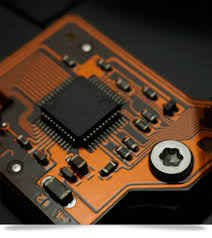
What are the cost considerations for using flexible pcbs
It is also important to note that a PCB’s tolerances are a major contributor to its cost. Specifying tight tolerances can increase the cost of a flexible PCB, but it is important to ensure that your specifications reflect the real requirements of the application. For example, a tight tolerance for a flex circuit may not be necessary for some automotive products, which are subject to extreme environmental conditions such as heat, moisture, chemicals, and shock and vibration.
The final cost of a flex PCB can also be affected by the number of vias it has. If your PCB contains a large number of blind and buried vias, it will require more prepreg than a standard rigid-flex board. It is also important to stagger the placement of blind and buried vias, as a flex circuit will need to bend when it is operated.
In addition to these factors, the thickness of your flex PCB can also impact its price. If your flex circuit is very thick, it will need a greater amount of prepreg and may be more difficult to etch. Additionally, it is also worth considering whether your flex circuit is designed to include stiffeners in select areas.
Stiffeners are small strips of rigid material that are bonded to a flex PCB for additional structural support. These can help to reduce the flexing of the PCB and prevent damage during assembly. They can be bonded with thermal set or pressure-sensitive adhesives. The type of rigid material used can also affect the price of a stiffener, as some are made from expensive metals while others are manufactured from less-expensive plastics.