
Rigid Flex Printed Circuit Board
Rigid-flex printed circuit board (PCB) manufacturers play an integral role in the electronics industry by providing advanced PCB solutions that combine the benefits of rigid and flexible circuits. These manufacturers design, produce, and supply rigid-flex PCBs that are used in a wide range of applications, from consumer electronics to medical devices and aerospace technology. Understanding the capabilities and benefits of these manufacturers highlights their importance in modern electronics.
Rigid-flex PCB manufacturers possess specialized expertise and advanced technological capabilities that set them apart from standard PCB producers. They are equipped with the knowledge and equipment to design PCBs that integrate rigid and flexible materials into a single unit. This hybrid design offers enhanced mechanical stability, electrical performance, and design flexibility. Manufacturers must have a deep understanding of material science, as the selection of appropriate materials is crucial for achieving the desired balance between rigidity and flexibility.
One of the key services provided by rigid flex pcb manufacturer is comprehensive design and engineering support. These manufacturers often work closely with their clients to develop custom PCB solutions that meet specific requirements. This collaborative process involves detailed consultations to understand the application needs, followed by design iterations to optimize the PCB layout. Advanced computer-aided design (CAD) tools and simulation software are employed to ensure that the final product meets performance expectations and can be efficiently manufactured.
The manufacturing process for rigid-flex PCBs is complex and requires precision. It begins with the creation of a detailed design that integrates both rigid and flexible sections. The flexible layers are typically made from polyimide, a durable and heat-resistant material, while the rigid sections are usually made from traditional fiberglass-reinforced epoxy laminate. These layers are carefully laminated together, and through a series of drilling, plating, and etching processes, the circuit pathways are created.
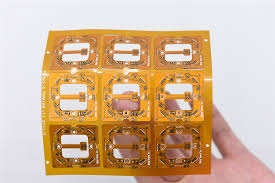
Rigid Flex Printed Circuit Board Manufacturer
Quality control is a critical aspect of the manufacturing process. Rigid-flex PCB manufacturers implement stringent testing procedures, including automated optical inspection (AOI), X-ray inspection, and electrical testing, to ensure that the PCBs are free from defects and meet all specifications. This rigorous quality assurance process is essential for maintaining the reliability and performance of the final products.
The PCBs produced by rigid-flex manufacturers are used in a wide array of applications. In consumer electronics, they are found in smartphones, tablets, and wearable devices, where the need for compactness and durability is paramount. In the medical field, rigid-flex PCBs are used in diagnostic equipment and implantable devices, where their reliability and flexible form factor are critical. Aerospace and military applications benefit from the high-performance and robust nature of rigid-flex PCBs, which can withstand extreme conditions.
The benefits of using rigid-flex PCBs are numerous. They offer enhanced design flexibility, allowing for the creation of more compact and complex electronic devices. The integration of rigid and flexible sections reduces the need for connectors and interconnecting cables, which simplifies assembly and reduces potential points of failure. Additionally, rigid-flex PCBs provide superior signal integrity and reliability, making them ideal for high-performance applications.
Rigid-flex PCB manufacturers are continually innovating to keep pace with the evolving demands of the electronics industry. Trends such as the miniaturization of electronic components, the rise of wearable technology, and the increasing complexity of electronic systems drive the need for advanced rigid-flex solutions. Manufacturers are investing in research and development to explore new materials, improve manufacturing processes, and enhance the performance characteristics of their PCBs.