Test the Reliability of HDI Circuit Boards
PCB operational reliability refers to the ability of a board to perform as intended throughout its life cycle. To do so, it must be able to withstand the thermal and electrical stress that will come about as it operates. While it is not possible to completely eliminate all risks during the manufacturing process, there are many things that can be done to reduce them. This includes using simulations to identify and predict stresses that can occur in a circuit board. This information can then be used to design the board in a manner that mitigates those risks.
HDI circuit boards are able to support more components than traditional PCBs thanks to a variety of processes, including laser micro vias and buried via technology. The use of these technologies allows designers to place more components on the PCB and to reduce the size of those components. This allows for more functionality in a smaller space and leads to improved performance. This is particularly important in consumer electronics, where space is at a premium.
The materials that are used in a hdi circuit boards can also impact reliability. For example, the use of FR4 or other core materials can affect thermal conductivity. The choice of surface finishes can also impact the ability of a circuit board to withstand mechanical stress. In addition, the choice of adhesives can determine how much flex a circuit board will be able to tolerate.
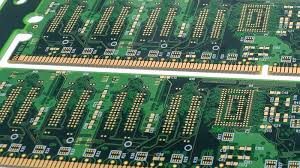
How to Test the Reliability of HDI Circuit Boards
Another factor that can influence a circuit board’s reliability is the number of layers in the board. This is important because it will determine how much structural integrity the board will be able to maintain. It is recommended that a board be limited to a maximum of three sequential laminations. Beyond that, the cost of adding additional layers becomes prohibitive.
When it comes to assessing the reliability of a bare or assembled circuit board, it is important to perform both thermal and electrical stress testing. These tests can help identify any areas of the circuit board that may be under stress and lead to premature failure. They can be performed with a wide variety of tools available in the market, including simulations and software. These tools can be used to identify the most common failure modes and make necessary changes to a design before prototyping or production.
Reliability testing can be further augmented by performing burn-in and environmental stress screening. These tests simulate the environment a circuit board will be exposed to during its operation and can quickly weed out early failures in a batch of electronic assemblies. This can reduce the amount of time and money a company must spend on replacing unreliable products.
In addition to these more standard reliability tests, some manufacturers of hdi circuit boards may implement more specialized tests. These include testing a PCB’s reaction to chemicals or other liquids that might be encountered in a product’s environment of deployment. This type of testing can also be useful in determining whether a PCB will be able to withstand exposure to corrosive materials.