
Temperature Control Affect The Pcb SMT Assembly Process
There are many benefits to using SMT technology to assemble printed circuit boards, including lower costs and faster production speeds. However, this method can present challenges when it comes to ensuring quality. One such challenge is the fact that a single error can lead to an entire batch of faulty boards. This can be costly and time-consuming to repair. To avoid such errors, it is important to use quality control services such as automated optical inspection and X-ray testing. These services can help reduce the number of faulty PCBs and cut down on production costs.
In addition to quality control, temperature control is also an important factor in the pcb smt assembly process. This is because the reflow soldering process generates a lot of heat, and it is important to ensure that the board can withstand this heat for the correct amount of time. The board should also be cooled down after it has exited the reflow soldering zone in order to prevent warping.
The first step in the reflow soldering process is the application of solder paste. This step can be done manually or with the help of a stencil and squeegees. A variety of alloys are used for solder paste, including tin, silver, and copper. It is important to choose a type that has a melting point that is higher than the pad it will be soldered to. Otherwise, the solder may wick to a different location on the board or melt through the hole.
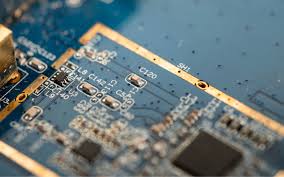
How Does Temperature Control Affect The Pcb SMT Assembly Process?
Once the paste has been applied, the bare PCB is inspected by a machine to ensure that all components have been placed correctly. This is a crucial step because any errors in placement can be costly and time-consuming to correct. This inspection can be done manually or with the help of 3D automated optical inspection machines (AOI).
After all the components have been inserted, they are placed into a reflow soldering machine. The reflow machine raises the temperature of the board until it reaches its maximum melting point, which bonds the tin in the solder paste with the metal leads on the component. The board then moves through a cooling zone so that the solder can solidify.
The temperature profile setting determines reflow soldering quality and helps to cut down on production costs. An experienced contract manufacturer (CM) will be aware of the elements that influence this process, and he will be able to adjust the temperature profile accordingly to improve the output.
Some of these factors include determining the glass transition temperature (TG) of the PCB, which allows engineers to design circuits that will not produce more heat than the material can tolerate. This can prevent thermal shock that would otherwise cause damage to the components. In addition, it is important to ensure that all of the polarities, orientations, and positioning of the components are properly indicated in the design. This will help to make it easy for the CM to find any missing or misplaced components.