connectors used in circuit board assembly
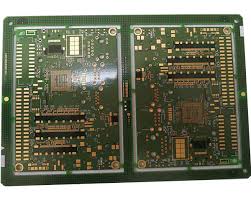
Connectors play a key role in the functionality of circuit boards. They help transmit data signals and distribute power, among other functions. They also allow components to be added and removed from the board, facilitating upgrades and repairs. Ultimately, connectors contribute to the modularity of electronic devices like keyboards and synthesizers that can be rearranged and modified according to a musician’s preferences.
There are many different types of connectors used in PCB Assembly, and each one has its own advantages and disadvantages. It’s important to match the connector type to a device’s requirements and design needs. This includes the electrical considerations (current rating, voltage requirements, signal integrity), mechanical aspects (size, mounting options, durability), and environmental factors (temperature, humidity, chemical resistance).
Some PCB connectors are fixed to both the wire or cable and the board. These are called cable-to-board connectors, and they can be installed with a press-in connector or a soldered two-piece connector. Circular connectors are a common choice for connecting cables or wires to a circuit board assembly because they are robust and can handle vibrations and moisture. Other popular connectors include IDC connectors, which can accommodate multiple conductors at once. They use sharp contacts to pierce through the insulation and establish a reliable connection, eliminating the need for stripping or soldering. Other common connectors for PCBs are pin headers, which are a row of pins that can mate with sockets on the PCB. They are often found on the edges of the PCB and provide high-density connections.
How are connectors used in circuit board assembly?
Another type of connector that is sometimes used in PCBs is the surface mount technology (SMT) connector. They are designed to be mounted on the PCB with SMT pads. They are more expensive than through-hole connectors, but they can be easier to install and can minimize the risk of thermal damage.
The last type of connector that is often used in PCBs are backplane connectors, which are attached to a circuit board and then connected to other devices with cables or wires. They can be used in computers and mobile phones, for example. They are a good choice when it is necessary to transfer a large amount of data or for high-speed transmission.
Choosing the right connectors can significantly improve a product’s reliability and performance. Some common features that can be incorporated into connectors to improve safety, performance and quality are grounding to reduce the risk of electric shock, isolation to separate circuits and prevent short circuits, and protection, such as shielding and silicone or rubber to protect against chemical or water ingress.
Getting connectors designed-in correctly helps avoid issues in the production stage, and it is worth spending the extra time to ensure that they meet your electrical, mechanical, and environmental requirements. It is also a good idea to plan the placement of connectors on the board to optimise the layout for wire routing and to save space. Lastly, making sure that you have enough clearance space for mating plugs is essential to avoid misplugs and signal degradation.