
Four Hand Piano
In the 19th century, as pianos became more affordable, four hand piano transcriptions quickly caught on. Bringing orchestral and chamber music into the living rooms of middle-class homes, they offered a unique opportunity to experience the full sonorities and orchestral potential of the instrument—and even destabilized traditional musical divisions between symphonic and chamber genres, professional and amateur music cultures, and repertories that were deemed masculine or feminine.
Four-hand pieces are incredibly difficult to master for most pianists, as they require the coordination of two hands to play in harmony. For beginners, this is often overwhelming and discouraging; as a result, many pianists avoid them altogether. For experienced players, they can be a valuable way to stretch and challenge themselves as they improve their technique and musicianship.
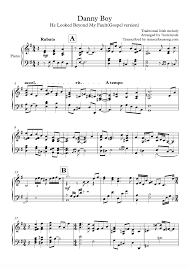
The first thing to keep in mind when playing a four-hand piece is that it will likely require longer practice hours than a single-part piece. The reason is simple: two hands are harder to control simultaneously than one hand, and the human brain can only focus on so many things at once.
https://tartalover.net/nicole-pesce
Four Hand Piano Transcription
In addition, the two parts of a four-hand piece will use more fingers than the typical pianist is used to using at any given time. This can be especially frustrating for beginners, who may find that their hands begin to fatigue more quickly. This is why it’s so important to take the process slowly and carefully—don’t be afraid to take breaks.
https://m.youtube.com/@tartalover2682/videos
Aside from being challenging, four-hand piano transcriptions can also be quite rewarding for those who do succeed in playing them well. Despite their difficulty, these works are extremely expressive and offer an incredible opportunity to display the composer’s artistry. It’s for this reason that a number of famous musicians have written for the four-hand form—including Brahms, Schubert, Rachmaninoff, and others.
Piano arrangements aren’t just for classical music; contemporary composers have embraced this versatile medium as well. For example, in his composition ‘Visions of Amen’, Messiaen utilized the two-piano arrangement to convey the evocative images of seven different creatures. Consequently, the secondo part of the piece is very melodic and emotionally involving, while the primo section has rhythmic difficulties and chord clusters that demand skill and strength.
Moreover, the transcription of “Speak No Evil” provides pianists with ample opportunities for improvisation and personal expression. While the basic structure of the composition remains intact, pianists are encouraged to explore their own creative instincts and add their unique voice to the music. Whether through improvised solos, rhythmic embellishments, or subtle reinterpretations of the original melody, pianists can use the transcription as a springboard for musical exploration and experimentation.
Pianists of all ages will enjoy this collection of popular songs and hymns in four-hand piano accompaniment. Featuring arrangements by Molly Ijames, Lloyd Larson, and Larry Shackley, this book is perfect for year-round worship, recitals, and concerts. It includes selections for Thanksgiving, Christmas, Holy Week and Easter, as well as music for other special occasions and year-round celebration.