fpc pcb be used in battery-powered devices
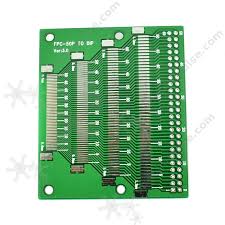
The FPC (flexible printed circuit) is an embedded component that enables the flexibility of many different types of items, from solar power cells to cell phones. It is thin enough to flex with movement, but thick enough to maintain durability and functionality. It is typically made of pure copper foil and a layer of upper and lower protective films. It is used in a wide variety of applications, including aerospace, military, and mobile communication devices.
The use of fpc pcb in battery-powered devices can provide a number of advantages, including increased reliability, safety, and efficiency. These benefits can also reduce manufacturing costs and lead to more sustainable products. However, a key challenge for battery-powered electronics is thermal management, which requires proper design considerations to ensure efficient heat dissipation and prevent overheating. Capel’s expertise in this area enables them to deliver PCB prototypes that optimize energy consumption and maximize battery runtime.
FPC is a type of printed circuit board that contains conductive traces and is covered with insulating material. It can be made from various materials, depending on the desired final product. For example, it can be made from fiberglass or FR-4, which is composed of epoxy resins and glass fibers. It is then coated with a layer of epoxy or polyimide. During the production process, copper foil is laminated to the insulating material and then the layers are etched to create the necessary traces for the circuit. The traces are then soldered to the pins, which are then treated with tin for welding or gold for corrosion resistance.
Can fpc pcb be used in battery-powered devices?
In addition to allowing for flexible and compact circuit boards, the manufacturing technique of FPC allows for greater control of the layout, components, and electrical connections. For example, the thickness of the traces can be controlled using etching. Furthermore, the manufacturing process of FPC can help eliminate errors and improve quality and consistency. It can also allow for a more precise placement of components, which can make it easier to assemble the final product.
One of the most common applications for FPC is in new energy vehicles, where it can be used to replace traditional wire harnesses. This allows for a safer and more reliable battery acquisition line and saves space. It is also more flexible and lighter than traditional wire harnesses. It can also reduce wiring errors, which can be costly for vehicle manufacturers.
In addition, the FPC can be used to connect a power battery with other parts of the vehicle, such as the BMS (battery management system), VCU/MCU (vehicle control unit) and auxiliary systems. It can also increase the efficiency of the battery and extend its range. This will contribute to the global development of new energy vehicles and provide more options for consumers.